
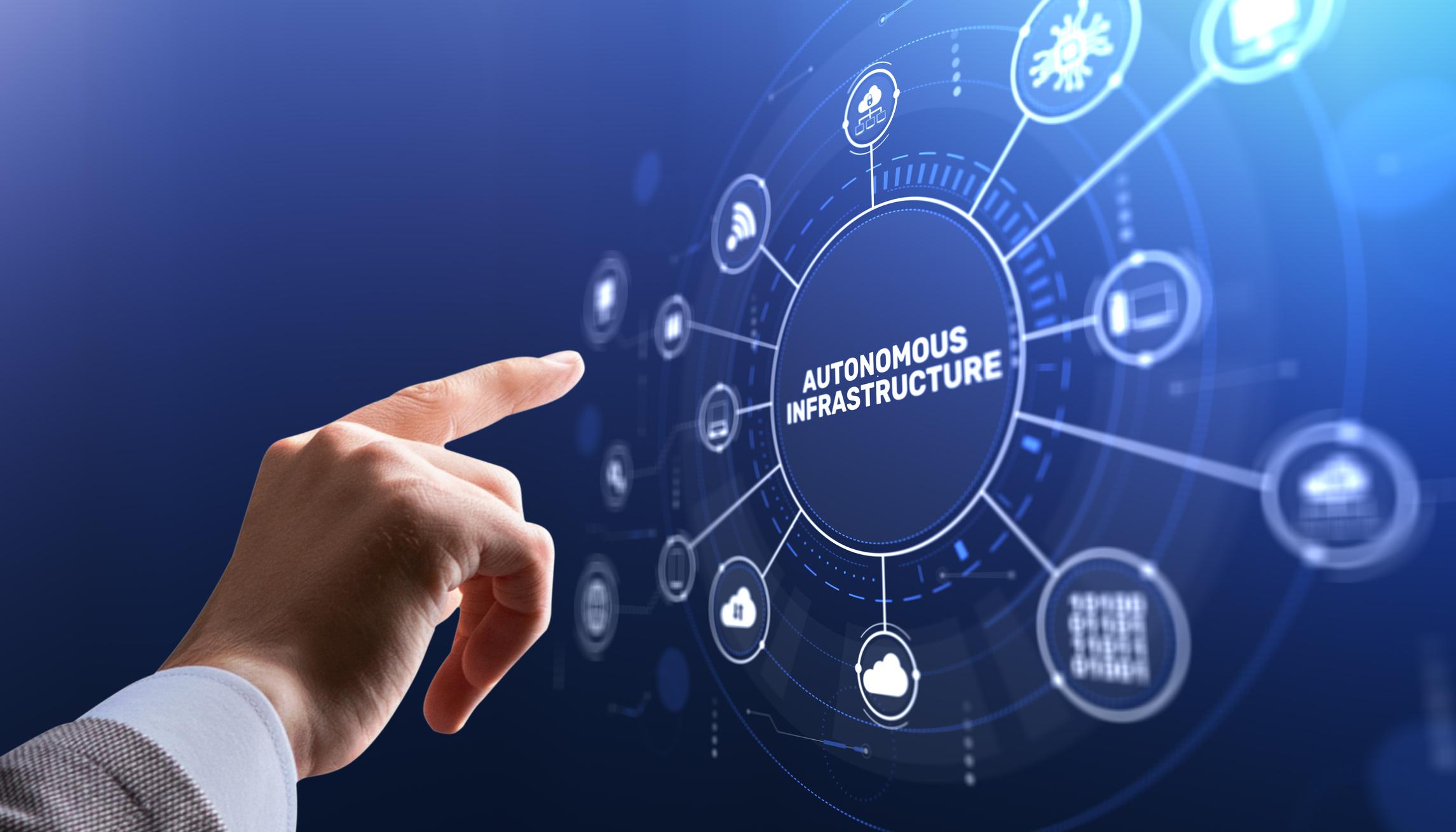
Zero-Touch Infrastructure: The Future of Fully Autonomous IT Operations
The modern enterprise depends on increasingly complex digital infrastructure. Cloud platforms, hybrid environments, edge computing, microservices, and artificial intelligence workloads have dramatically expanded the responsibilities of IT teams. As infrastructure complexity grows, organizations are seeking new ways to improve efficiency, reduce operational risk, and accelerate innovation. This pursuit is driving the emergence of Zero-Touch Infrastructure (ZTI) - a vision of fully autonomous IT operations where systems manage themselves with minimal human intervention.
Traditionally, IT operations have required continuous oversight. Teams provision servers, monitor performance, apply patches, troubleshoot incidents, manage configurations, and respond to security threats. While automation has reduced some manual effort, many operational processes still depend on human decision-making. Zero-touch infrastructure takes automation a step further by combining artificial intelligence, machine learning, and autonomous orchestration to create self-managing environments.
In a zero-touch ecosystem, infrastructure can provision resources, optimise workloads, detect anomalies, and recover from failures automatically. AI-driven systems continuously analyse operational data, identify patterns, and make real-time decisions based on predefined policies and business objectives. Instead of waiting for administrators to respond to incidents, the infrastructure itself becomes capable of taking corrective action.
One of the most significant benefits of zero-touch infrastructure is operational resilience. Self-healing systems can detect hardware failures, network disruptions, or application issues and resolve them before users experience noticeable impact. This proactive approach reduces downtime and enhances service reliability.
Artificial intelligence serves as the foundation of autonomous operations. Machine learning algorithms analyse telemetry data from servers, applications, networks, and cloud resources to predict failures and optimise performance. Organizations such as IBM and Cisco are actively developing intelligent infrastructure platforms that support predictive maintenance, autonomous networking, and self-healing operations.
Another advantage is scalability. As enterprises deploy thousands of cloud resources and connected devices, manual management becomes increasingly impractical. Zero-touch infrastructure enables organizations to scale operations without proportional increases in operational staffing, reducing costs while maintaining efficiency.
Cybersecurity also benefits from autonomous infrastructure. Intelligent systems can continuously monitor environments, identify unusual behaviour, isolate compromised assets, and apply security policies automatically. This creates a more adaptive and responsive security posture in an era of increasingly sophisticated cyber threats.
However, fully autonomous operations introduce important challenges. Trust and governance become critical when AI systems make operational decisions independently. Organisations must ensure that automated actions are transparent, explainable, and aligned with business objectives. Human oversight remains essential, particularly in high-risk environments where operational mistakes could have significant consequences.
Another challenge involves interoperability. Autonomous systems must integrate seamlessly across diverse platforms, cloud providers, and infrastructure components. Standardised frameworks and robust orchestration mechanisms will be necessary to support widespread adoption.
The role of IT professionals is also evolving. Rather than performing repetitive operational tasks, technology teams will increasingly focus on governance, strategy, architecture design, and optimisation of intelligent systems. Human expertise will shift toward supervising and enhancing autonomous operations rather than executing routine infrastructure activities.
In conclusion, zero-touch infrastructure represents the next major evolution in enterprise technology management. By combining artificial intelligence, automation, and self-healing capabilities, organizations can build resilient, scalable, and efficient digital environments. While complete autonomy may still be a developing goal, the journey toward zero-touch operations is already reshaping the future of IT and redefining how modern infrastructure is managed.
#ZeroTouchInfrastructure #AutonomousIT #AIOps #ArtificialIntelligence
#CloudComputing #InfrastructureAutomation #DigitalTransformation
#SelfHealingSystems #FutureTech #ITOperations #CloudNative
#TechInnovation
Author
Dr. Akhilesh Kumar
References
- IBM. Research on Autonomous IT Operations and AIOps Platforms.
- Cisco. Intelligent Infrastructure and Autonomous Networking Technologies.
- Gartner. Studies on AIOps, Autonomous Operations, and Infrastructure Automation.
- Cloud Native Computing Foundation. Cloud-Native Infrastructure and Automated Operations Frameworks.
Comments (0)
No comments yet. Be the first to share your thoughts!
Leave a Comment