
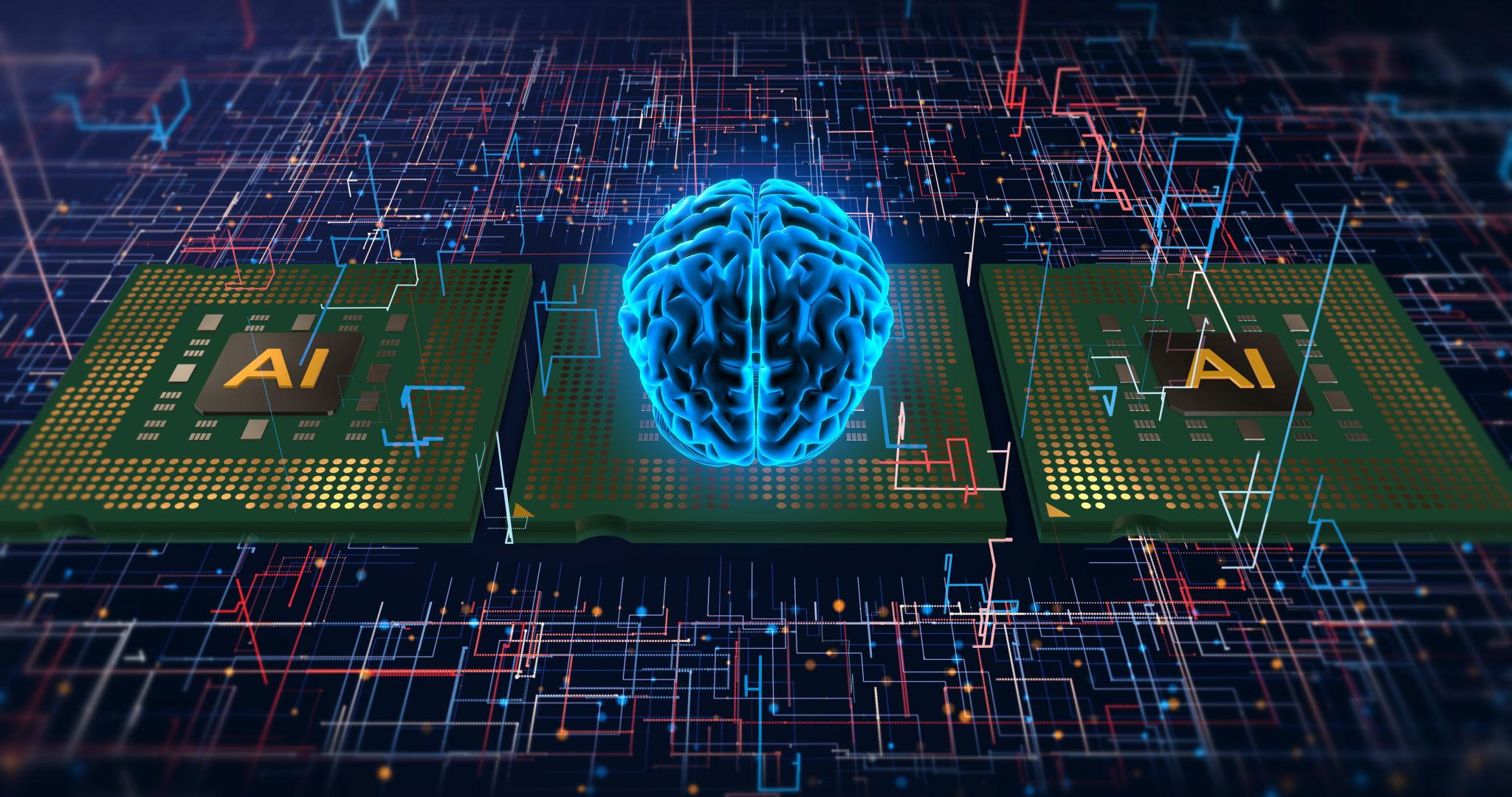
Memory-Centric Computing: The End of CPU-Dominated Architectures
For decades, modern computing systems have revolved around the central processing unit (CPU). Traditional architectures were designed with the processor at the center, while memory and storage acted as supporting components. However, the rapid growth of artificial intelligence, big data analytics, and real-time digital systems is exposing the limitations of CPU-dominated computing. This shift is driving the emergence of memory-centric computing, a transformative architecture designed to prioritise data access and movement rather than processor speed alone.
In conventional computing systems, data constantly moves between storage, memory, and processors. This creates latency, energy consumption, and performance bottlenecks often referred to as the “memory wall.” As workloads become increasingly data-intensive, CPUs spend more time waiting for data than processing it. Memory-centric computing addresses this challenge by redesigning architectures so that memory becomes the focal point of computation.
Instead of forcing data to travel repeatedly across system components, memory-centric systems bring computation closer to where data resides. Technologies such as computational memory, persistent memory, and near-memory processing enable operations to occur directly within or near memory modules. This significantly reduces latency and improves processing efficiency.
The rise of artificial intelligence is one of the major drivers behind this transformation. AI workloads require massive data movement and parallel processing capabilities. Memory-centric architectures support faster access to large datasets, improving the performance of machine learning training, inference, and real-time analytics. Organizations such as Intel and IBM are actively researching advanced memory technologies and data-centric computing models.
Another important advantage is energy efficiency. Data movement consumes a significant portion of computing power in traditional systems. By reducing unnecessary transfers between processors and memory, memory-centric computing lowers energy consumption while increasing overall throughput. This becomes especially valuable in cloud data centers, edge computing environments, and high-performance AI systems.
Persistent memory technologies are also reshaping infrastructure design. Unlike traditional RAM, persistent memory retains information even when power is lost, combining the speed of memory with the durability of storage. This allows systems to recover faster, improve scalability, and handle large-scale data processing more effectively.
Memory-centric architectures are particularly relevant in fields such as scientific computing, autonomous systems, healthcare analytics, and financial modeling, where large datasets require rapid processing and low latency.
Despite its promise, transitioning away from CPU-centric computing introduces technical and architectural challenges. Existing software ecosystems are largely optimised for traditional processor-based designs. Adapting operating systems, programming models, and development frameworks for memory-centric environments requires significant innovation.
Security is another critical consideration. As memory becomes increasingly central to computation, protecting sensitive data within high-speed memory systems becomes essential. Advanced encryption, access controls, and hardware-level protections will play a vital role in future implementations.
In conclusion, memory-centric computing represents a fundamental evolution in digital architecture. By shifting the focus from processors to data accessibility and memory intelligence, this approach addresses the growing demands of AI, analytics, and distributed computing. As the digital world becomes increasingly data-driven, memory-centric systems may ultimately redefine the future of computing beyond the traditional CPU era.
#MemoryCentricComputing #ArtificialIntelligence #AIInfrastructure #HighPerformanceComputing #DataCentricArchitecture #FutureTech
#SemiconductorTechnology #CloudComputing #DigitalTransformation #TechInnovation #PersistentMemory #ComputingArchitecture
Author
Dr. Akhilesh Kumar
References
- Intel. Research on Persistent Memory and Data-Centric Computing.
- IBM. Advanced Memory Architecture and AI Infrastructure Studies.
- Institute of Electrical and Electronics Engineers. Research on High-Performance Computing and Memory Systems.
Comments (0)
No comments yet. Be the first to share your thoughts!
Leave a Comment