
Mechanized Intelligence: Control Models and Codebase for Hybrid AI
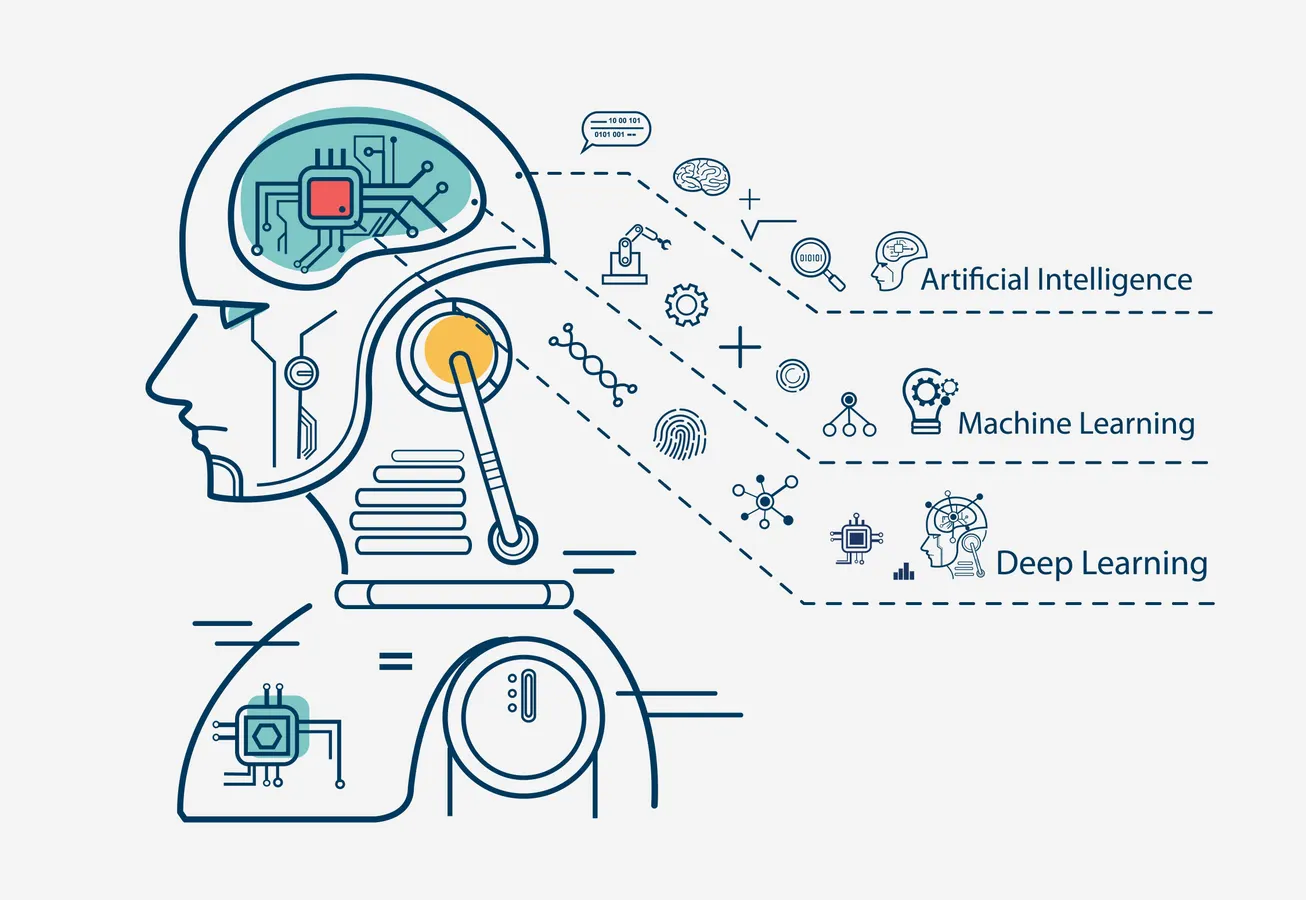
Mechanized intelligence represents a significant evolution in artificial intelligence, combining algorithmic precision with adaptive learning to create systems capable of complex decision-making. At the core of this concept lies hybrid AI, which integrates multiple computational approaches such as rule-based logic, machine learning, and statistical modeling. This integration enables systems to balance structured reasoning with data-driven insights, offering greater flexibility and reliability in real-world applications.
Control models play a central role in hybrid AI systems. These models define how intelligent systems process inputs, make decisions, and adjust actions based on feedback. Traditional control systems rely on predefined rules and deterministic responses, while modern hybrid approaches incorporate learning mechanisms that allow systems to evolve over time. By combining symbolic reasoning with neural network-based learning, hybrid AI can manage both predictable scenarios and dynamic environments.
The development of a robust codebase is equally critical for implementing mechanized intelligence. A well-structured codebase ensures modularity, scalability, and maintainability of AI systems. Developers design layered architectures where data processing, model training, decision logic, and control mechanisms are integrated seamlessly. This approach supports efficient updates and enables the integration of new algorithms without disrupting existing functionalities.
Hybrid AI systems are particularly valuable in domains such as robotics, autonomous systems, healthcare, and cybersecurity. In these areas, decision-making often requires both logical reasoning and pattern recognition. Mechanized intelligence provides a framework for achieving this balance, allowing systems to perform reliably under varying conditions.
However, challenges remain in terms of computational complexity, interoperability, and ethical considerations. Ensuring transparency and accountability in hybrid AI systems is essential as these technologies become more widely adopted.
Mechanized intelligence, supported by advanced control models and well-designed codebases, represents a promising direction for the future of intelligent systems, enabling more adaptable, efficient, and trustworthy AI solutions.
#HybridAI #ArtificialIntelligence #MachineLearning #IntelligentSystems
#AIArchitecture #ControlSystems #TechInnovation #FutureOfAI
#DataScience #Automation #AIResearch #DigitalTransformation
Author
Dr. Akhilesh Kumar
References
- Institute of Electrical and Electronics Engineers. Research on hybrid AI systems and intelligent control models.
- Association for the Advancement of Artificial Intelligence. Publications on hybrid and mechanized intelligence.
- National Institutes of Health. Applications of artificial intelligence in complex systems and decision-making.
Comments (0)
No comments yet. Be the first to share your thoughts!
Leave a Comment