
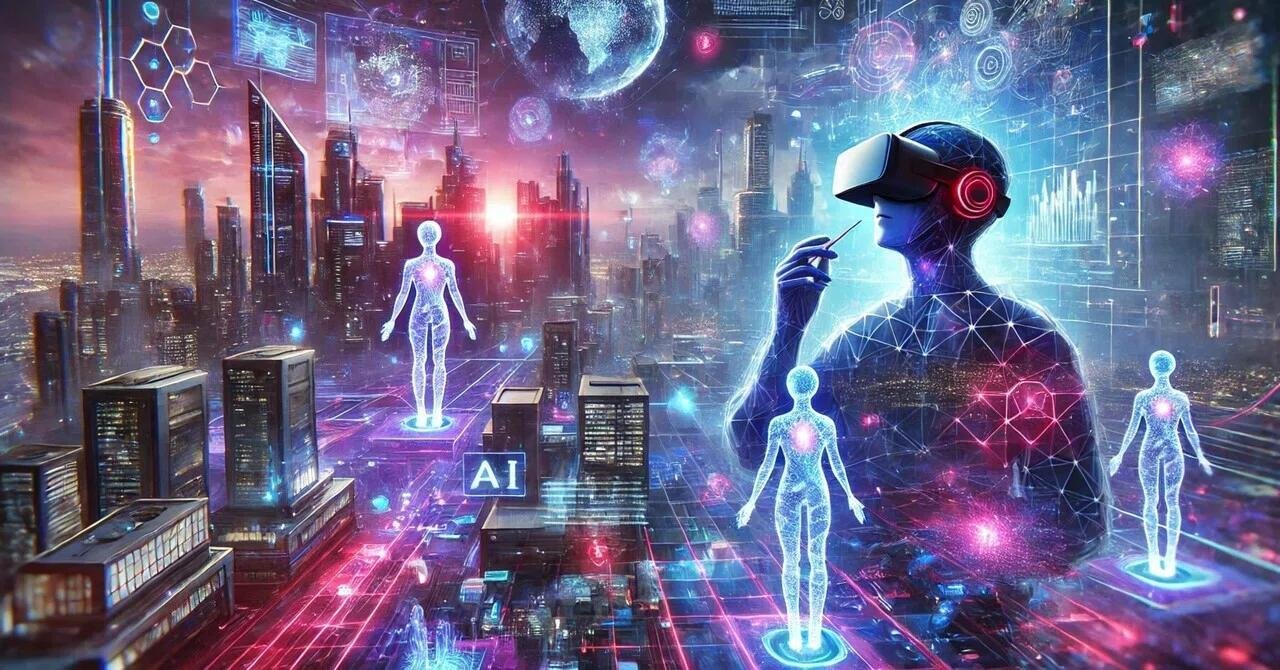
Interoperable Virtual Worlds: The End of Walled Gardens in the Metaverse
The vision of the metaverse has evolved considerably over the past few years. Initially, many organizations imagined isolated virtual environments where users interacted within proprietary ecosystems. While these digital worlds showcased impressive technology, they often operated as "walled gardens," limiting users from moving their identities, digital assets, and experiences across different platforms. Today, the conversation is shifting toward a far more transformative concept - interoperable virtual worlds, where digital experiences are connected rather than confined.
Interoperability is the ability of different platforms, applications, and digital environments to communicate and function seamlessly. In the context of the metaverse, this means a user's digital identity, avatar, virtual possessions, achievements, and services can move securely between multiple virtual worlds without being recreated from scratch. Instead of isolated platforms competing for exclusive ownership of users, the future metaverse may function more like the internet itself—an interconnected ecosystem built on shared standards.
This transformation is driven by advances in artificial intelligence, cloud computing, decentralized identity, extended reality (XR), blockchain technologies, and open application programming interfaces (APIs). Together, these technologies enable persistent digital identities, portable virtual assets, and real-time synchronization across multiple environments.
Organizations such as Microsoft, NVIDIA, and Meta are actively investing in technologies that support open collaboration, digital twins, spatial computing, and industrial metaverse applications. Their efforts highlight a growing industry recognition that interoperability will accelerate innovation and user adoption far more effectively than isolated ecosystems.
Artificial intelligence plays a particularly important role in enabling interoperability. AI systems can translate digital content between platforms, personalize user experiences, optimise virtual environments, and facilitate intelligent interactions across diverse ecosystems. AI-powered agents may eventually accompany users across virtual worlds, maintaining memory, preferences, and personalized assistance regardless of which platform they are using.
For businesses, interoperable virtual worlds present significant opportunities. Manufacturers can collaborate within shared digital twins, educators can deliver immersive learning experiences across institutions, healthcare professionals can conduct remote simulations using standardized environments, and enterprises can create virtual workplaces that integrate seamlessly with existing business systems.
Digital commerce is also expected to benefit. Rather than purchasing assets that exist only within a single application, users could own interoperable digital products usable across multiple virtual experiences. This creates new opportunities for creators, developers, and businesses while encouraging broader digital economies.
Despite these opportunities, several challenges remain. Technical interoperability requires common standards for identity, asset formats, communication protocols, and security. Without industry-wide collaboration, fragmented ecosystems may continue to limit the full potential of immersive technologies.
Privacy and cybersecurity are equally important. As digital identities become portable across multiple platforms, protecting personal information, authentication credentials, and virtual assets becomes increasingly critical. Zero-trust architectures, decentralised identity frameworks, and robust governance models will be essential to maintaining trust.
Governance itself presents another challenge. Multiple organizations, developers, regulators, and technology providers must cooperate to establish policies that encourage openness while protecting intellectual property, user rights, and platform security.
The evolution toward interoperable virtual worlds mirrors the early development of the internet. Initially, many online services existed as isolated networks before eventually embracing common standards that enabled global connectivity. The metaverse may follow a similar path, where openness becomes a catalyst for innovation rather than a competitive disadvantage.
In conclusion, the future of the metaverse is unlikely to be defined by isolated virtual spaces competing for users. Instead, it will be shaped by interconnected digital ecosystems where identities, services, and experiences flow seamlessly across platforms. Interoperability has the potential to transform the metaverse from a collection of disconnected destinations into a unified digital universe that empowers users, accelerates innovation, and creates entirely new opportunities for collaboration and economic growth.
#Metaverse #Interoperability #VirtualWorlds #ArtificialIntelligence
#ExtendedReality #DigitalTransformation #Web3 #SpatialComputing
#FutureTech #DigitalTwins #OpenMetaverse #DrAkhileshKumar
Author
Dr. Akhilesh Kumar
References
- Microsoft. Research on Industrial Metaverse, Mesh, and Digital Collaboration Platforms.
- NVIDIA. Omniverse Platform and OpenUSD-Based Digital Twin Technologies.
- Meta. Research on Open Metaverse Technologies and Immersive Computing.
- Khronos Group. Open Standards for 3D Graphics, XR, and Digital Asset Interoperability.
- World Wide Web Consortium (W3C). Web Standards Supporting Identity, Interoperability, and the Future Internet.
Comments (0)
No comments yet. Be the first to share your thoughts!
Leave a Comment