
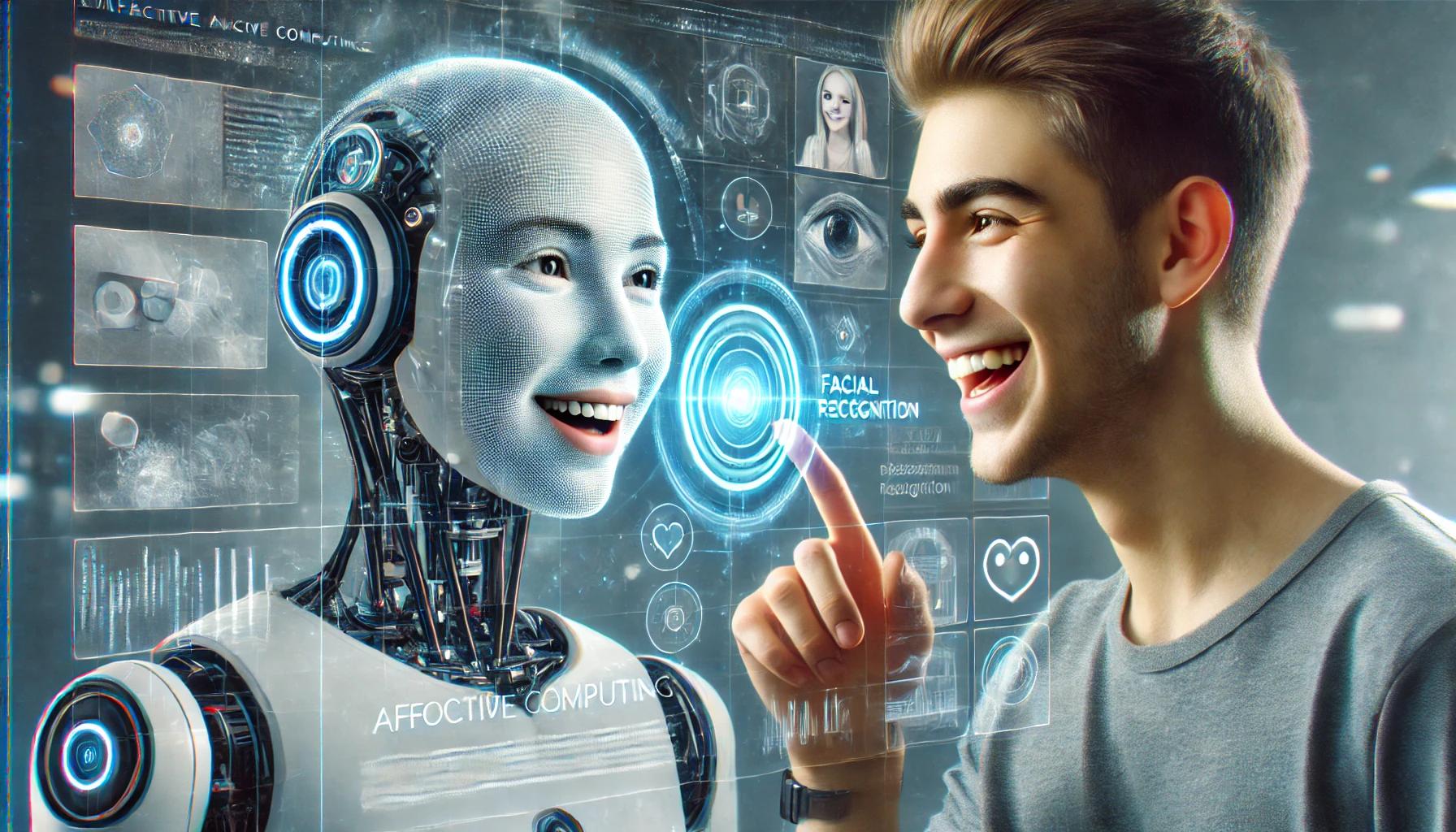
Hyper-Personalized Computing: Devices That Adapt to Human Emotion and Context
Technology has always evolved toward becoming more intuitive and user-friendly. From command-line interfaces to touchscreens and voice assistants, each generation of computing has reduced the gap between humans and machines. The next major leap is hyper-personalised computing - a future where devices not only understand what users do but also adapt to how they feel, where they are, and what they need in a given moment.
Hyper-personalised computing combines artificial intelligence, contextual awareness, behavioural analytics, and emotion recognition to create highly adaptive digital experiences. Instead of requiring users to configure settings, search for information, or navigate complex interfaces, intelligent systems proactively adjust themselves based on real-time context and user behaviour.
At the heart of this transformation is context-aware intelligence. Modern devices already collect information from sensors, cameras, microphones, wearables, and digital interactions. Future computing systems will use this data to understand environmental conditions, user preferences, activity patterns, and emotional states. This enables devices to make intelligent decisions that align with individual needs.
For example, a smart workspace could automatically adjust notifications based on a user's concentration level. A wearable device might detect signs of stress and recommend relaxation exercises. A digital assistant could modify communication styles, prioritise tasks, or suggest resources based on emotional and situational context.
Artificial intelligence plays a central role in enabling these capabilities. Machine learning models analyse behavioural patterns, speech characteristics, facial expressions, biometric signals, and interaction history to create dynamic user profiles. Unlike traditional personalisation, which relies on static preferences, hyper-personalised systems continuously learn and adapt over time.
Organizations such as Microsoft and Google are actively researching adaptive computing systems, contextual AI, and emotion-aware technologies. Their work reflects a broader shift toward computing environments that understand users rather than merely responding to commands.
One of the most promising applications of hyper-personalised computing is healthcare. Intelligent systems can monitor patient behaviour, detect early signs of mental or physical health issues, and provide personalised interventions. In education, adaptive learning platforms can adjust content delivery based on engagement levels and learning styles. In business environments, personalised productivity tools can optimise workflows and reduce cognitive overload.
However, this technological evolution also introduces significant challenges. Privacy is perhaps the most important concern. Hyper-personalised systems depend on collecting highly sensitive behavioural and emotional data. Organizations must ensure robust data protection, transparency, and user consent mechanisms to maintain trust.
Ethical considerations are equally important. If devices can influence decisions based on emotional states, safeguards must be implemented to prevent manipulation or misuse. Responsible AI governance will play a critical role in ensuring that personalisation remains beneficial and ethical.
Another challenge is accuracy. Human emotions are complex and context-dependent. Misinterpreting emotional signals could lead to incorrect recommendations or frustrating user experiences. Therefore, continuous improvement and validation of emotion-recognition technologies remain essential.
In conclusion, hyper-personalised computing represents the next stage of human-computer interaction. By combining contextual awareness with emotional intelligence, future devices will become more adaptive, proactive, and human-centric. As artificial intelligence continues to advance, computing systems may evolve from simple tools into intelligent companions that understand not only what we do but also how we think, feel, and interact with the world around us.
#HyperPersonalizedComputing #ArtificialIntelligence #FutureTech #ContextAwareComputing #AffectiveComputing #AIInnovation #HumanComputerInteraction #Personalization #DigitalTransformation
#SmartDevices #UserExperience #EmergingTechnology
Author
Dr. Akhilesh Kumar
References
- Microsoft. Research on Contextual AI and Adaptive User Experiences.
- Google. Studies on Personalized Computing and Intelligent Assistants.
- Institute of Electrical and Electronics Engineers. Research on Affective Computing and Human-Centered AI.
- Association for Computing Machinery. Human-Computer Interaction and Personalized Computing Frameworks.
Comments (0)
No comments yet. Be the first to share your thoughts!
Leave a Comment