
Generative UI: Interfaces That Adapt to Your Intent, Not Your Clicks
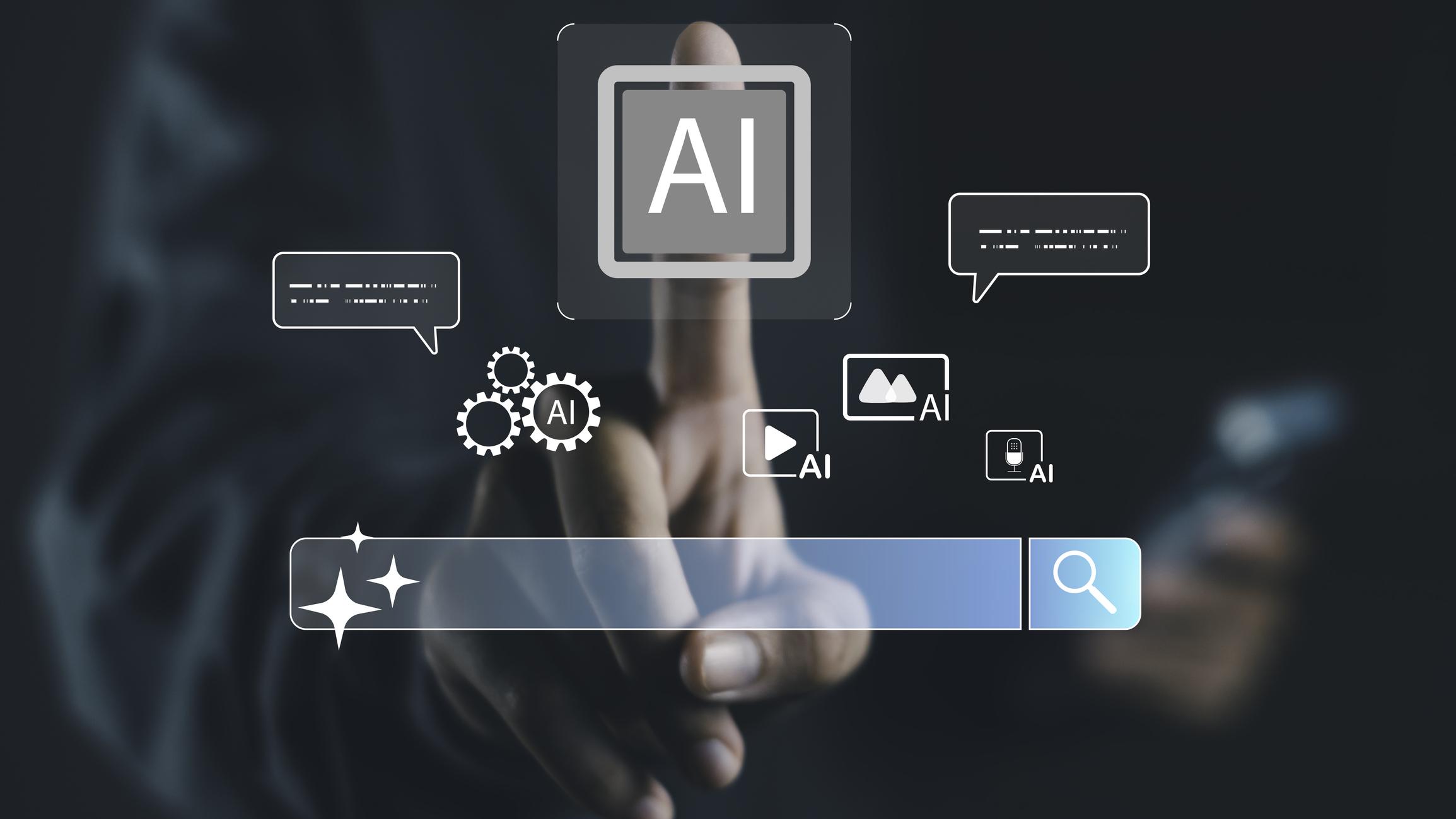
User interfaces have evolved significantly over the past few decades, from command-line systems to graphical interfaces and touch-based interactions. Today, a new transformation is emerging through generative UI, where interfaces no longer depend entirely on fixed layouts, menus, or repetitive clicks. Instead, AI-driven systems are beginning to understand user intent and dynamically generate interfaces that adapt in real time to individual needs and behaviours.
Traditional user interfaces are largely static. Designers create predefined screens, workflows, and navigation structures based on assumptions about how users will interact with applications. While effective, these systems often require users to adjust themselves to the software rather than the software adapting to the user.
Generative UI changes this relationship completely. Powered by artificial intelligence and contextual computing, these systems can interpret user goals, preferences, and behaviour patterns to create personalized and dynamic interfaces. Instead of manually navigating through multiple menus, users can express intent through natural language, gestures, or contextual interactions, and the interface reorganises itself accordingly.
For example, a project management platform using generative UI may automatically prioritise dashboards, tools, and workflows based on a user’s role, deadlines, and working habits. Similarly, healthcare applications could generate adaptive visualisations for doctors, patients, or administrators depending on their immediate requirements.
One of the key advantages of generative UI is efficiency. By reducing unnecessary interactions and presenting only the most relevant information, these systems streamline workflows and improve user productivity. The interface becomes more intuitive because it responds intelligently to context rather than forcing users through rigid navigation structures.
Artificial intelligence models, particularly large language models and contextual reasoning systems, play a critical role in enabling this transformation. These systems analyse behavioural data, understand conversational inputs, and generate interface elements dynamically. Organizations such as Adobe and Microsoft are actively exploring AI-driven interface technologies that personalise digital experiences.
Generative UI also has major implications for accessibility and inclusivity. Adaptive interfaces can adjust layouts, content presentation, and interaction styles based on user preferences or accessibility needs. This creates more inclusive digital environments for users with varying abilities and technical expertise.
However, generative interfaces also introduce challenges. Predictability and consistency remain important in user experience design. If interfaces change too frequently or unpredictably, users may experience confusion rather than convenience. Designers must therefore balance adaptability with usability and maintain clear interaction patterns.
Privacy is another significant concern. Generative UI systems often rely on behavioural and contextual data to personalise experiences. Organizations must ensure transparency, data protection, and ethical AI practices when implementing adaptive technologies.
In conclusion, generative UI represents a major evolution in human-computer interaction. By shifting from click-driven workflows to intent-driven experiences, AI-powered interfaces can make digital systems more intuitive, efficient, and personalised. As this technology matures, interfaces will increasingly become intelligent collaborators that adapt seamlessly to human behaviour and goals.
#GenerativeUI #ArtificialIntelligence #UserExperience #AIInnovation
#HumanComputerInteraction #AdaptiveInterfaces #FutureTech
#DigitalTransformation #UXDesign #UIUX #SmartInterfaces #TechInnovation
Author
Dr. Akhilesh Kumar
References
- Adobe. Research on AI-Driven User Experience and Generative Interfaces.
- Microsoft. Adaptive Interface and AI Productivity Technologies.
- Interaction Design Foundation. Human-Computer Interaction and UX Design Principles.
Comments (0)
No comments yet. Be the first to share your thoughts!
Leave a Comment