Generative AI for Drug Discovery : Accelerating Therapeutics with Machine Learning
The process of discovering new medicines has traditionally been time-consuming, expensive, and uncertain. Developing a single therapeutic drug can take more than a decade and require extensive laboratory testing, clinical trials, and regulatory approvals. In recent years, generative artificial intelligence has begun to reshape this landscape by introducing powerful computational methods that accelerate drug discovery.
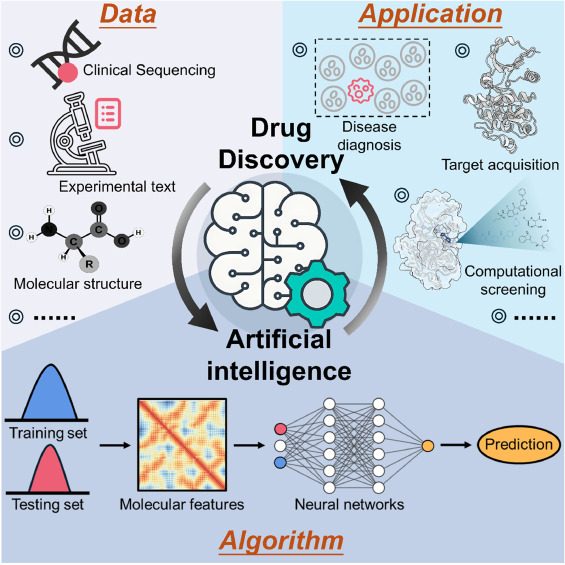
Generative AI uses advanced machine learning models to design and evaluate potential drug molecules. Instead of relying solely on traditional trial-and-error laboratory experiments, these systems analyse vast biological and chemical datasets to predict molecular structures that may interact effectively with specific disease targets. By simulating millions of possible molecular combinations, AI can identify promising drug candidates much faster than conventional research approaches.
One of the major advantages of generative AI in pharmaceutical research is efficiency. Machine learning algorithms can rapidly screen compounds, evaluate toxicity risks, and predict how molecules will behave in biological systems. This reduces the number of costly laboratory experiments required during the early stages of drug development. As a result, researchers can focus their resources on the most promising therapeutic candidates.
Generative AI also supports personalised medicine by helping scientists design treatments tailored to the genetic and molecular characteristics of individual patients. By integrating genomic data with predictive models, researchers can develop therapies that are more targeted and potentially more effective.
Despite these benefits, challenges remain. AI-generated molecules must still undergo rigorous experimental validation, and issues such as data quality, regulatory compliance, and ethical considerations require careful attention.
Nevertheless, generative AI represents a transformative tool in pharmaceutical innovation. By combining machine learning with biomedical expertise, the healthcare industry can accelerate the development of safer, more effective therapies for a wide range of diseases.
#GenerativeAI #DrugDiscovery #AIinHealthcare #MachineLearning
#PharmaInnovation #Biotech #PrecisionMedicine #HealthTech
#MedicalResearch #FutureOfMedicine #AIinPharma #DigitalHealth
Author
Dr. Akhilesh Kumar
References
- National Institutes of Health. Artificial Intelligence Applications in Drug Discovery and Biomedical Research.
- Nature Biotechnology. Research on machine learning methods for molecular design and drug development.
- World Health Organization. Digital Health and Artificial Intelligence in Biomedical Innovation.
Comments (0)
No comments yet. Be the first to share your thoughts!
Leave a Comment