
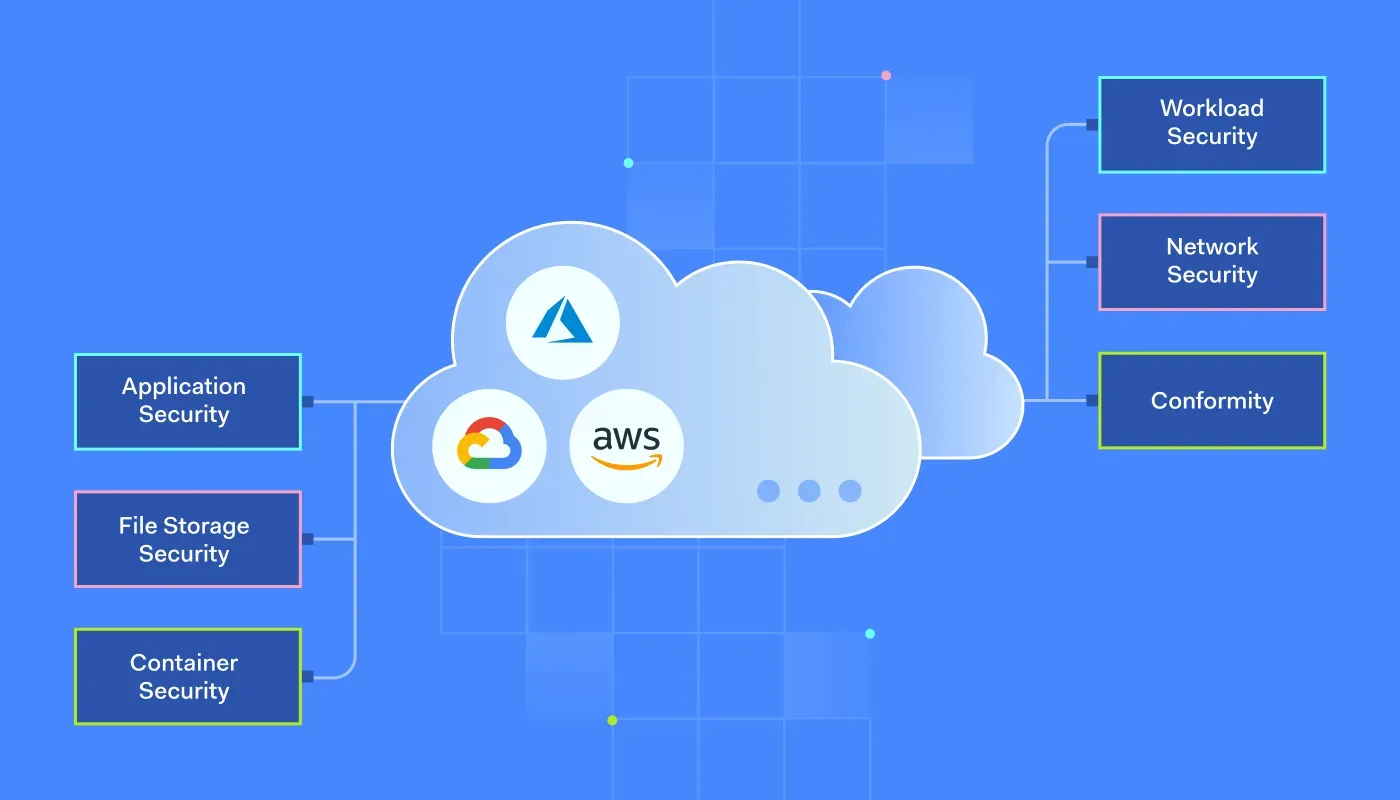
Cloud Security: Protecting Data and Applications in the Digital Sky
Cloud computing has transformed how organisations store data, deploy applications, and scale their operations. While the cloud offers flexibility, cost efficiency, and accessibility, it also introduces new security challenges. Cloud security has therefore become a critical aspect of modern digital infrastructure, ensuring that sensitive data and applications remain protected in distributed environments.
At its core, cloud security involves a combination of technologies, policies, and controls designed to safeguard cloud-based systems. Unlike traditional on-premise infrastructure, cloud environments operate on shared resources and remote servers, which require a different approach to security. Organizations must adopt a shared responsibility model, where cloud service providers manage the underlying infrastructure, while users are responsible for securing their data, applications, and access controls.
One of the primary concerns in cloud security is data protection. Sensitive information stored in the cloud must be secured through encryption, both during transmission and at rest. Strong identity and access management (IAM) systems are also essential to ensure that only authorised users can access critical resources. Multi-factor authentication adds an additional layer of protection against unauthorised access.
Another important aspect of cloud security is continuous monitoring. Security tools can analyse network activity, detect anomalies, and identify potential threats in real time. This proactive approach enables organisations to respond quickly to cyber incidents and minimise potential damage.
Compliance with regulatory standards is also crucial in cloud environments. Organisations must adhere to data protection laws and industry-specific regulations to maintain trust and avoid legal risks.
Despite the challenges, cloud security continues to evolve with advancements in artificial intelligence and automation. These technologies enhance threat detection and response capabilities, making cloud environments more resilient.
In an increasingly digital world, effective cloud security strategies are essential for protecting data, ensuring business continuity, and enabling safe adoption of cloud technologies.
#CloudSecurity #CyberSecurity #CloudComputing #DataSecurity
#InformationSecurity #DigitalTransformation #CloudTechnology
#IAM #CyberDefense #DataProtection #TechInnovation #SecureCloud
Author
Dr. Akhilesh Kumar
References
- National Institute of Standards and Technology. Cloud Computing Security Guidelines.
- Cloud Security Alliance. Best Practices for Cloud Security.
- Amazon Web Services. Cloud Security Framework and Shared Responsibility Model.
Comments (0)
No comments yet. Be the first to share your thoughts!
Leave a Comment