Closed-Loop Neuromodulation: The Future of Personalized Neurotherapy
Medicine is steadily shifting from standardised treatment models toward therapies tailored to the unique biology of every individual. One of the most promising developments in this transformation is closed-loop neuromodulation—an intelligent approach to treating neurological disorders that continuously monitors brain activity and automatically adjusts therapy in real time. By combining neuroscience, artificial intelligence (AI), biomedical engineering, and advanced sensing technologies, closed-loop neuromodulation is redefining what personalised neurotherapy can achieve.
Traditional neuromodulation therapies, such as deep brain stimulation (DBS) or spinal cord stimulation, generally deliver electrical impulses using pre-programmed settings determined during clinical evaluations. While these therapies have significantly improved the management of conditions such as Parkinson's disease, epilepsy, essential tremor, and chronic pain, they cannot always adapt to rapid physiological changes. Symptoms often fluctuate throughout the day, making fixed stimulation less effective for some patients.
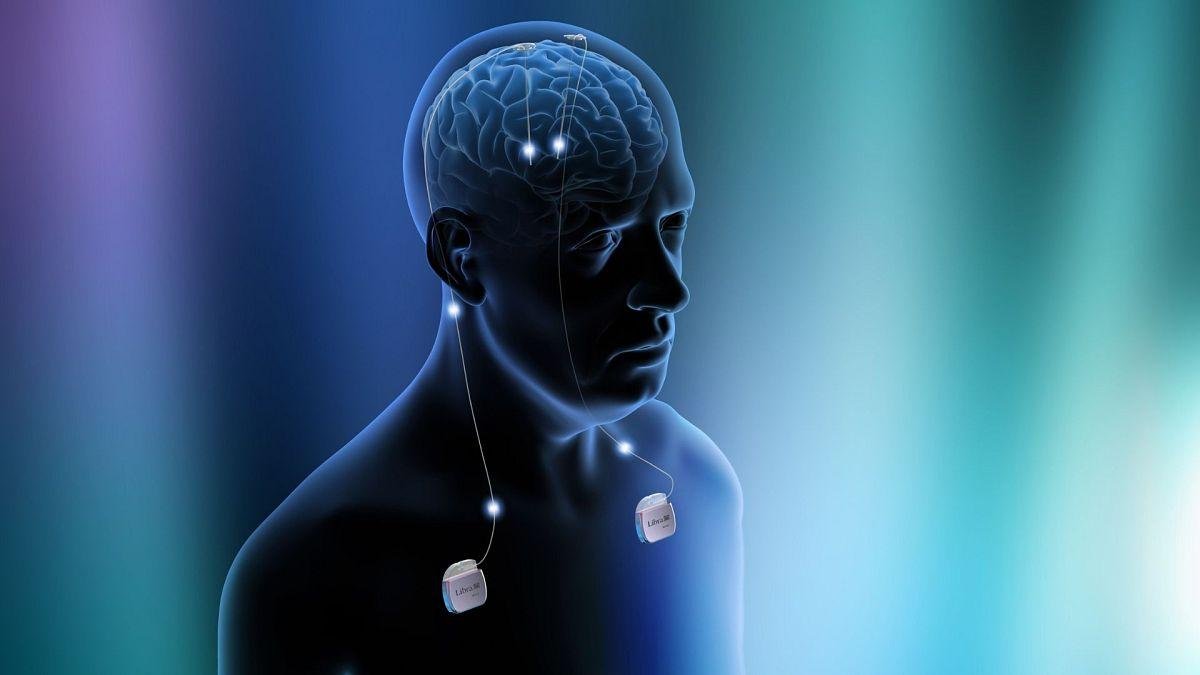
Closed-loop systems overcome this limitation by creating a continuous feedback cycle. Tiny sensors detect neural signals, AI algorithms analyse the incoming data, and the device automatically modifies stimulation intensity, frequency, or duration based on the patient's current neurological state. Instead of following a static treatment plan, therapy evolves dynamically as the brain's activity changes.
Artificial intelligence is central to this advancement. Machine learning models can recognise subtle neural patterns associated with seizures, abnormal motor activity, or pain signals, enabling devices to respond almost instantly. As additional clinical data becomes available, these intelligent systems may further refine therapy, offering increasingly personalised treatment strategies while reducing unnecessary stimulation.
Healthcare technology leaders such as Medtronic and Abbott are developing adaptive neuromodulation platforms that demonstrate how intelligent medical devices can improve patient outcomes. Ongoing research is also exploring future applications for depression, obsessive-compulsive disorder, stroke rehabilitation, and other neurological conditions where adaptive intervention may provide additional clinical benefits.
One of the greatest advantages of closed-loop neuromodulation is precision. Therapy is delivered only when required, potentially minimising side effects, extending implant battery life, and improving symptom control. Patients may experience more consistent relief because treatment responds directly to biological changes rather than relying on scheduled adjustments during clinic visits.
Beyond clinical care, this technology represents an important milestone in the evolution of digital health. Secure cloud connectivity, remote monitoring, and AI-assisted analytics allow clinicians to evaluate treatment effectiveness continuously while making evidence-based decisions supported by real-world patient data.
Despite its promise, several challenges remain. Reliable interpretation of neural signals requires sophisticated algorithms and highly accurate sensors. Long-term device safety, cybersecurity, regulatory oversight, and ethical management of neurological data are essential considerations. Brain-derived information is deeply personal, making privacy, informed consent, and transparency fundamental to responsible innovation.
Interdisciplinary collaboration will be critical to advancing the field. Neuroscientists, engineers, clinicians, AI specialists, and regulatory authorities must work together to ensure that technological progress translates into safe, accessible, and effective patient care.
Looking ahead, closed-loop neuromodulation is expected to become a cornerstone of precision neuroscience. As AI algorithms become more accurate and neural sensing technologies continue to improve, adaptive therapies may evolve from treating symptoms to predicting neurological events before they occur. Such capabilities could fundamentally change how chronic neurological diseases are managed.
In conclusion, closed-loop neuromodulation represents a significant step toward intelligent, patient-centred healthcare. By integrating continuous neural monitoring with AI-driven decision-making, these systems offer a future where therapies are personalised, responsive, and adaptive. Rather than treating every patient the same, medicine is moving toward treatments that learn from each individual—bringing neuroscience closer than ever to truly personalised care.
#ClosedLoopNeuromodulation #Neurotherapy #ArtificialIntelligence
#Neuroscience #BrainComputerInterface #DigitalHealth #PrecisionMedicine #HealthcareInnovation #MedicalTechnology #Neuroengineering #FutureHealthcare #DrAkhileshKumar
Author
Dr. Akhilesh Kumar
References
- Medtronic. Research on Adaptive Deep Brain Stimulation and Intelligent Neuromodulation Systems.
- Abbott. Studies on Neurostimulation Technologies and Personalized Pain Management.
- National Institutes of Health. Research on Neuroengineering, Brain Stimulation, and Precision Neurology.
- Institute of Electrical and Electronics Engineers. Publications on AI-Enabled Biomedical Systems and Closed-Loop Medical Devices.
- World Health Organization. Digital Health and Emerging Medical Technology Guidance.
Comments (0)
No comments yet. Be the first to share your thoughts!
Leave a Comment