
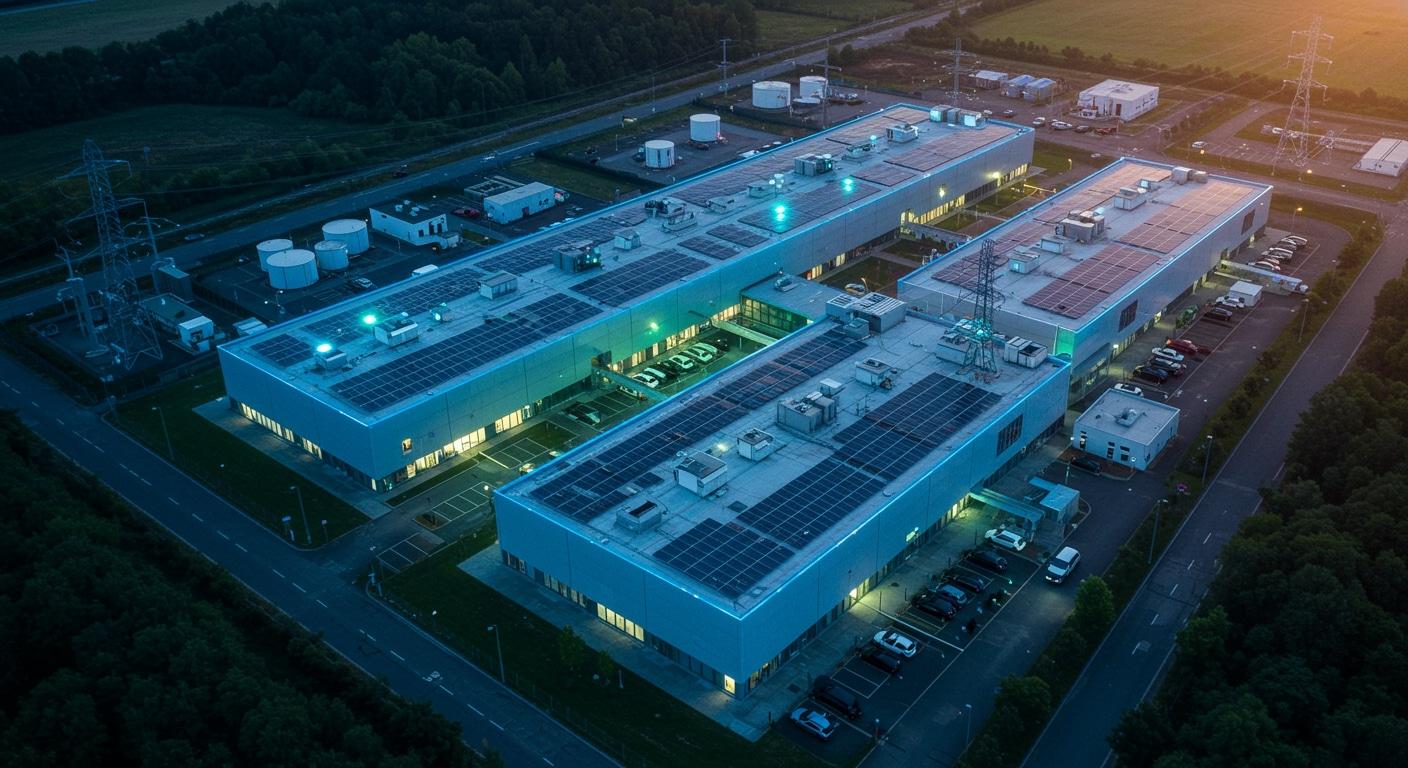
Carbon Aware Computing: Running Workloads Only When the Grid Is Green
As digital transformation accelerates worldwide, the energy consumption of cloud infrastructure, artificial intelligence systems, and large-scale data centers continues to rise dramatically. While technology enables innovation and economic growth, it also contributes significantly to global carbon emissions. This growing concern has led to the emergence of carbon-aware computing, a sustainable computing approach focused on running workloads when energy grids are powered by cleaner and renewable sources.
Traditional computing systems prioritise performance, speed, and availability without considering the environmental impact of energy consumption. Carbon-aware computing introduces a new dimension by integrating carbon intensity data into workload scheduling decisions. Instead of processing tasks immediately regardless of energy source, intelligent systems can delay or relocate workloads to periods when renewable energy availability is higher and carbon emissions are lower.
The concept relies heavily on real-time energy intelligence. Modern grids increasingly provide data about carbon intensity, renewable energy generation, and electricity demand. By combining this information with cloud orchestration and AI-driven scheduling systems, organisations can optimise when and where workloads are executed.
One of the most important applications of carbon-aware computing is in large-scale data centers. Cloud providers operate a globally distributed infrastructure capable of shifting non-urgent workloads across regions and time zones. For example, a computational task that does not require immediate execution can be scheduled during periods of high solar or wind energy generation. This reduces dependency on fossil-fuel-powered electricity and lowers the environmental impact of computing operations.
Artificial intelligence and machine learning workloads are particularly relevant in this context. Training large AI models consumes substantial energy resources. Carbon-aware orchestration systems can intelligently plan these compute-intensive tasks to align with renewable energy availability, improving sustainability without compromising operational efficiency.
Organisations such as Microsoft and Google are actively investing in carbon-aware cloud technologies and sustainable infrastructure strategies. Their initiatives reflect a growing recognition that environmental responsibility must become an integral part of digital operations.
Beyond sustainability, carbon-aware computing can also improve cost efficiency. Renewable energy often becomes more affordable during periods of excess generation. Intelligent scheduling systems can leverage these fluctuations to optimise operational costs while reducing emissions.
However, implementing carbon-aware systems also presents challenges. Real-time energy forecasting, workload prioritisation, and cross-region orchestration require sophisticated infrastructure and coordination. Organisations must balance sustainability objectives with performance requirements, service-level agreements, and regulatory considerations.
Another important factor is transparency. Businesses increasingly need measurable sustainability metrics to support environmental reporting and ESG commitments. Carbon-aware computing frameworks can provide detailed visibility into the environmental footprint of digital operations.
In conclusion, carbon-aware computing represents a major shift toward sustainable digital infrastructure. By aligning computational workloads with cleaner energy availability, organisations can significantly reduce carbon emissions while maintaining operational efficiency. As the world moves toward greener economies and responsible technology practices, carbon-aware computing is likely to become a foundational strategy for the future of cloud and AI ecosystems.
#CarbonAwareComputing #GreenComputing #SustainableTechnology
#CloudComputing #DataCenters #RenewableEnergy #GreenAI #DigitalTransformation #CleanEnergy #FutureTech #Sustainability
#TechInnovation
Author
Dr. Akhilesh Kumar
References
- Microsoft. Sustainable Cloud and Carbon Aware Computing Research.
- Google. Carbon-Intelligent Computing and Green Data Center Initiatives.
- International Energy Agency. Energy Consumption and Sustainable Digital Infrastructure Reports.
Comments (0)
No comments yet. Be the first to share your thoughts!
Leave a Comment