
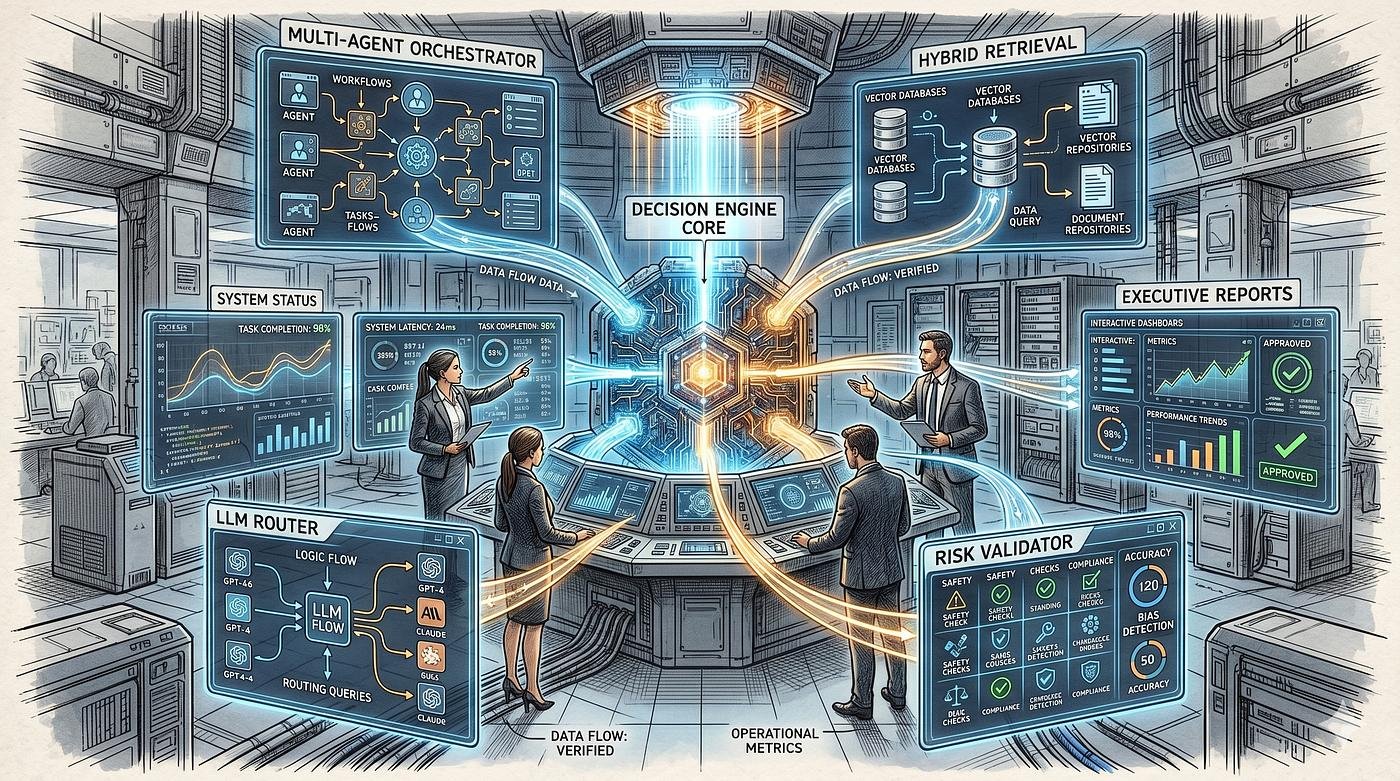
Beyond Chatbots: How Autonomous AI Agents Are Redefining Enterprise Intelligence
Artificial intelligence has evolved far beyond answering customer queries or generating text. The next major wave of innovation is being driven by autonomous AI agents—intelligent software systems capable of reasoning, planning, executing tasks, and collaborating with both humans and other digital systems. While chatbots introduced organizations to conversational AI, autonomous agents are transforming how enterprises operate by shifting AI from passive assistance to proactive decision-making and workflow execution.
Traditional chatbots excel at responding to predefined requests. They answer questions, retrieve information, and guide users through structured conversations. However, their capabilities are generally limited to interaction. Autonomous AI agents operate differently. They can interpret objectives, break complex problems into manageable tasks, access enterprise applications, coordinate multiple tools, learn from outcomes, and continuously optimise their performance with minimal supervision.
This evolution is reshaping enterprise intelligence. Instead of employees manually coordinating dozens of software applications, AI agents can orchestrate workflows across finance, customer service, cybersecurity, supply chain management, software development, and human resources. For example, a procurement agent can evaluate supplier performance, negotiate routine purchases, monitor inventory levels, and recommend sourcing alternatives before shortages occur. A cybersecurity agent can continuously monitor network activity, investigate anomalies, prioritise alerts, and initiate automated response actions while keeping security teams informed.
Organizations such as Microsoft, Google, and IBM are investing in agentic AI platforms that integrate large language models, enterprise applications, automation frameworks, and intelligent decision systems. These platforms enable organizations to deploy specialised digital agents that collaborate across departments while maintaining governance and security.
One of the defining strengths of autonomous AI agents is contextual intelligence. Unlike traditional automation tools that follow rigid rules, modern agents analyse data, understand changing business conditions, and adapt their decisions accordingly. By combining real-time information with organizational knowledge, they help businesses respond more quickly to operational challenges and emerging opportunities.
Artificial intelligence also enhances collaboration between humans and machines. Rather than replacing employees, autonomous agents handle repetitive, data-intensive, and time-consuming activities, allowing professionals to focus on creativity, innovation, relationship management, and strategic planning. This partnership increases productivity while improving decision quality across the enterprise.
Another significant advantage is scalability. As organizations grow, managing complex operations becomes increasingly difficult. Autonomous agents can operate continuously, coordinate thousands of tasks simultaneously, and maintain consistent performance without the limitations associated with manual processes. This makes them particularly valuable for global enterprises managing distributed operations.
However, adopting autonomous AI requires careful governance. Because these systems can make operational decisions and access sensitive business information, organizations must implement strong identity management, human oversight, audit trails, and cybersecurity protections. Transparent decision-making and ethical AI principles remain essential to maintaining trust.
Data quality is equally important. Intelligent agents depend on accurate, timely, and well-governed information. Poor data can lead to unreliable recommendations and inconsistent business outcomes. Consequently, enterprise data governance becomes a strategic prerequisite for successful AI deployment.
Looking ahead, autonomous AI agents are expected to become integral components of digital enterprises. Future organizations may operate with networks of specialised agents collaborating seamlessly across finance, operations, customer engagement, cybersecurity, compliance, and innovation. These intelligent ecosystems will transform enterprise intelligence from reactive reporting into continuous, adaptive decision-making.
In conclusion, the future of enterprise AI extends far beyond chatbots. Autonomous AI agents represent a new generation of intelligent digital colleagues capable of understanding objectives, executing workflows, and supporting strategic decisions. Organizations that embrace this evolution responsibly will improve agility, operational resilience, and innovation while preparing for an increasingly intelligent digital economy.
#AutonomousAI #AgenticAI #EnterpriseAI #ArtificialIntelligence
#DigitalTransformation #IntelligentAutomation #BusinessInnovation
#FutureOfWork #EnterpriseIntelligence #GenerativeAI #TechnologyLeadership #DrAkhileshKumar
Author
Dr. Akhilesh Kumar
References
- Microsoft. Research on Agentic AI, Copilot Technologies, and Enterprise Automation.
- Google. Studies on Autonomous AI Systems, Enterprise Intelligence, and Generative AI Platforms.
- IBM. AI Governance, Intelligent Automation, and Hybrid AI Research.
- National Institute of Standards and Technology. Artificial Intelligence Risk Management Framework.
- Institute of Electrical and Electronics Engineers. Research on Autonomous Intelligent Systems and Human-AI Collaboration.
Comments (0)
No comments yet. Be the first to share your thoughts!
Leave a Comment