
Ansible: Simplifying IT Automation and Configuration Management
Ansible has become a widely adopted tool for IT automation, enabling organisations to manage infrastructure, deploy applications, and configure systems efficiently. Developed by Red Hat, Ansible simplifies complex operational tasks by using a straightforward, agentless architecture and human-readable configuration files.
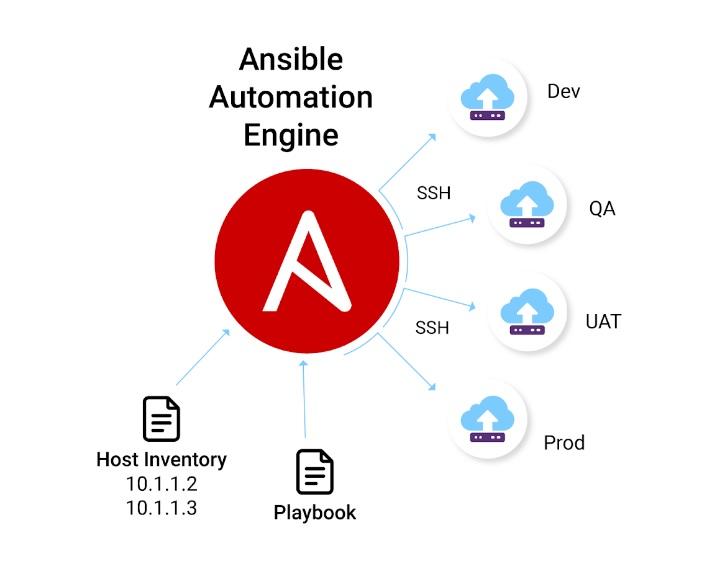
At its core, Ansible uses playbooks written in YAML (Yet Another Markup Language) to define automation tasks. These playbooks describe the desired state of systems, including software installation, configuration settings, and service management. By executing these playbooks, Ansible ensures that systems are consistently configured across different environments, reducing manual effort and minimising errors.
One of the key advantages of Ansible is its agentless design. Unlike many other automation tools, Ansible does not require additional software to be installed on managed systems. It uses standard protocols such as SSH to communicate with target machines, making it easier to set up and maintain. This approach enhances security and simplifies deployment.
Ansible is widely used in DevOps practices for configuration management, application deployment, and orchestration. It integrates seamlessly with cloud platforms, allowing organisations to automate the provisioning and management of infrastructure. This capability supports scalability and ensures that environments remain consistent as systems grow.
Another important benefit of Ansible is its simplicity. The use of YAML makes playbooks easy to read and understand, even for those with limited programming experience. This accessibility encourages collaboration between development, operations, and security teams.
Despite its strengths, organisations must implement proper governance and testing to ensure that automation tasks do not introduce unintended changes. Maintaining version control for playbooks and following best practices are essential for reliable automation.
In today’s dynamic IT landscape, Ansible provides a powerful and efficient solution for automation, helping organisations improve productivity, reduce complexity, and maintain consistent infrastructure across environments.
#Ansible #DevOps #Automation #ConfigurationManagement #Linux
#InfrastructureAsCode #CloudComputing #ITAutomation #TechInnovation
#SystemAdministration #DigitalTransformation #AutomationTools
Author
Dr. Akhilesh Kumar
References
- Red Hat. Ansible Automation Platform Documentation.
- Ansible Community. Open-source Ansible Resources and Best Practices.
- Linux Foundation. DevOps and Automation Training Materials.
Comments (0)
No comments yet. Be the first to share your thoughts!
Leave a Comment