AI vs. Human Intuition: Who Diagnoses Better in Modern Healthcare?
The rapid advancement of artificial intelligence has sparked an important debate in modern medicine: can AI diagnose diseases more accurately than human doctors? While AI systems are capable of analysing vast amounts of medical data quickly, human intuition continues to play a critical role in clinical decision-making.
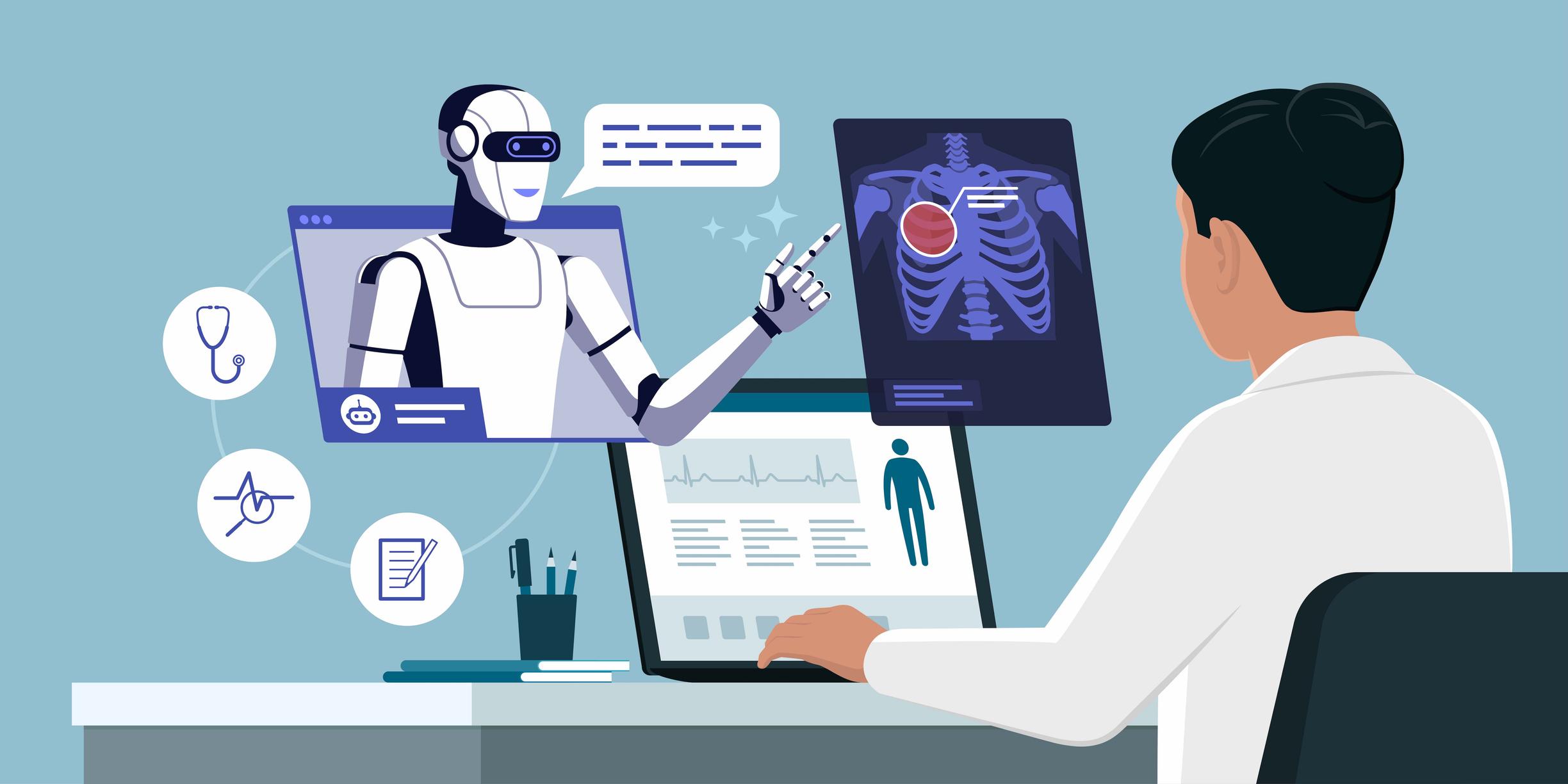
Artificial intelligence excels in pattern recognition. Machine learning algorithms can evaluate thousands of medical images, laboratory reports, and patient records within seconds. In fields such as radiology and pathology, AI-powered systems have demonstrated remarkable accuracy in identifying abnormalities like tumours or fractures. These technologies can assist physicians by highlighting potential diagnostic indicators that might otherwise be overlooked during routine examinations.
However, diagnosis in healthcare is not solely a data-driven process. Experienced clinicians rely on intuition developed through years of patient interaction, observation, and contextual understanding. Human doctors consider emotional, behavioural, and social factors that are often difficult for algorithms to interpret. Subtle symptoms, patient narratives, and clinical judgment frequently influence diagnostic decisions beyond what structured datasets can capture.
Rather than viewing AI and human intuition as competitors, many experts believe that their integration offers the most effective approach to healthcare. AI can process complex datasets and provide decision-support tools, while physicians apply clinical reasoning and empathy to interpret results and communicate with patients.
The future of medical diagnosis will likely depend on collaboration between intelligent machines and skilled healthcare professionals. By combining technological precision with human insight, healthcare systems can improve diagnostic accuracy, reduce medical errors, and enhance patient outcomes. In this partnership, AI strengthens medical practice, but human intuition remains an essential component of compassionate and comprehensive care.
#AIinHealthcare #MedicalAI #HealthcareInnovation #DigitalHealth
#FutureOfHealthcare #HealthTech #AIvsHuman #MedicalDiagnostics #ClinicalDecisionMaking #HealthcareTechnology #ArtificialIntelligence
#MedTech
Author
Dr. Akhilesh Kumar
References
- World Health Organization. (2021). Ethics and Governance of Artificial Intelligence for Health.
- National Institutes of Health. Artificial Intelligence Applications in Medical Diagnosis.
- Nature Medicine. Research studies on AI-assisted clinical diagnostics.
Comments (0)
No comments yet. Be the first to share your thoughts!
Leave a Comment