
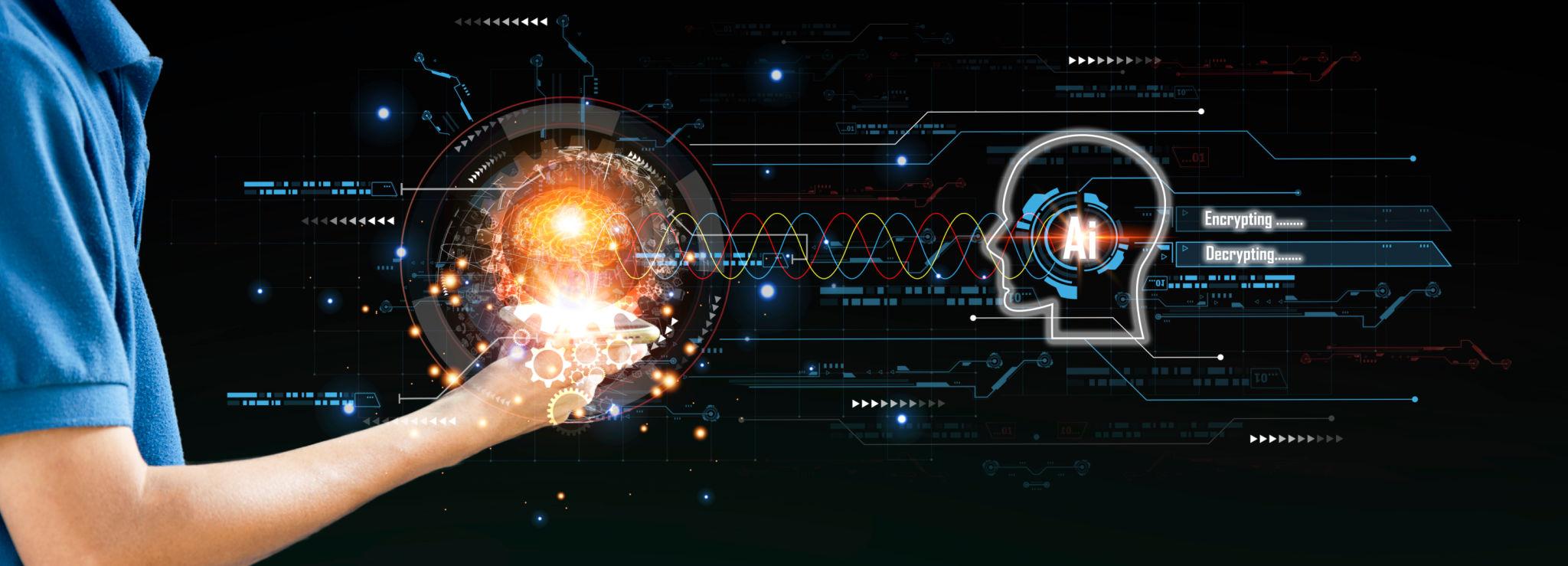
AI-Native Operating Systems: Beyond Traditional Human Interfaces
Operating systems have long served as the foundation of digital computing, managing hardware resources, applications, and user interactions. From command-line environments to graphical user interfaces and touch-based systems, operating systems have evolved to improve usability and accessibility. However, the rise of artificial intelligence is driving the emergence of a new paradigm known as AI-native operating systems, in which intelligence becomes the core architectural layer rather than an additional feature.
Traditional operating systems are designed around explicit human interaction. Users open applications, navigate menus, manage files, and execute commands manually. AI-native operating systems move beyond this model by creating environments that understand context, predict intent, and dynamically automate digital interactions.
In AI-native systems, artificial intelligence is deeply embedded in the operating environment itself. Instead of acting as a separate assistant, AI becomes the orchestrator of workflows, resource allocation, security, and personalisation. These systems continuously analyse user behaviour, environmental context, and application patterns to deliver adaptive experiences in real time.
One of the most significant transformations introduced by AI-native operating systems is the evolution of interfaces. Traditional graphical interfaces may gradually become secondary to conversational, contextual, and multimodal interactions. Users may interact with systems using natural language, gestures, voice, neural signals, or contextual prompts rather than relying entirely on keyboards, icons, and windows.
For example, instead of manually launching applications and searching through files, an AI-native system could proactively organise workflows, summarize information, allocate computing resources, and recommend actions based on user objectives. The operating system itself becomes an intelligent collaborator rather than a passive platform.
Organizations such as Microsoft and Google are actively integrating AI into operating environments through intelligent copilots, contextual automation, and adaptive computing technologies.
Another key advantage of AI-native operating systems is efficiency. By continuously optimising resource utilisation, predicting workload demands, and automating repetitive tasks, these systems can improve productivity while reducing operational complexity. In enterprise environments, AI-native platforms may autonomously manage cloud resources, cybersecurity policies, and application orchestration without requiring constant human oversight.
Security is also expected to evolve significantly within AI-native environments. Intelligent operating systems can monitor behaviour continuously, detect anomalies in real time, and respond autonomously to potential threats. This creates opportunities for adaptive and self-healing security architectures.
However, the transition toward AI-native systems also raises important concerns. Privacy and data governance become critical because these systems rely heavily on contextual and behavioural information to personalise experiences. Transparency in AI decision-making is essential to maintain user trust and accountability.
Another challenge is dependency on automation. As systems become more autonomous, ensuring human control and oversight remains important, particularly in critical sectors such as healthcare, finance, and defence.
The future of AI-native operating systems may also reshape software development itself. Applications could become modular AI services that interact dynamically rather than standalone programs bound to rigid interfaces.
In conclusion, AI-native operating systems represent a major shift in the evolution of computing. By embedding intelligence directly into the digital environment, these systems move beyond traditional human interfaces toward adaptive, contextual, and autonomous computing experiences. As artificial intelligence continues to mature, the operating system of the future may no longer simply respond to commands—it may understand, anticipate, and collaborate with its users intelligently.
#AINativeOS #ArtificialIntelligence #OperatingSystems #FutureTech
#HumanComputerInteraction #AIInnovation #DigitalTransformation
#ContextualComputing #Automation #SmartComputing #TechInnovation
#EmergingTechnology
Author
Dr. Akhilesh Kumar
References
- Microsoft. AI-Integrated Operating Systems and Intelligent Computing Research.
- Google. Contextual AI and Adaptive Computing Technologies.
- Association for Computing Machinery. Research on Human-Computer Interaction and Intelligent Operating Systems.
Comments (0)
No comments yet. Be the first to share your thoughts!
Leave a Comment