
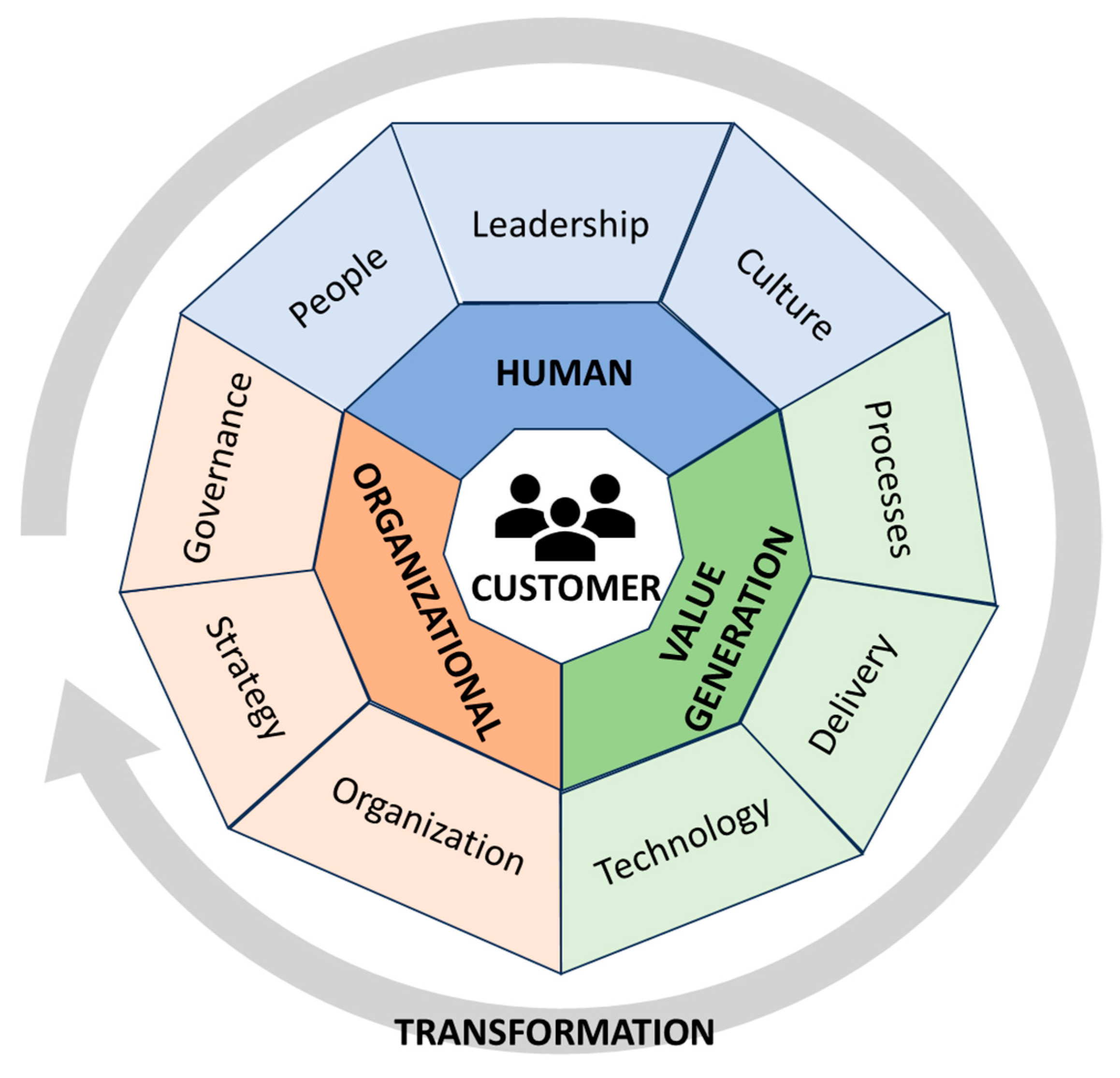
Agile Leadership: Driving Adaptability and Innovation in a Dynamic World
Agile leadership has emerged as a critical approach for organisations navigating rapid technological change, market uncertainty, and evolving customer expectations. Unlike traditional leadership models that rely on rigid hierarchies and long-term planning, agile leadership emphasises flexibility, collaboration, and continuous learning. It focuses on empowering teams to respond quickly to change while maintaining alignment with organisational goals.
At the heart of agile leadership is adaptability. Leaders must be able to adjust strategies based on real-time feedback, shifting priorities, and emerging opportunities. Instead of controlling every decision, agile leaders create an environment where teams are encouraged to experiment, innovate, and take ownership of their work. This approach fosters a culture of trust and accountability.
Another key element of agile leadership is communication. Transparent and frequent communication ensures that team members understand objectives, progress, and challenges. Agile leaders actively listen to their teams, provide constructive feedback, and facilitate collaboration across departments. This open exchange of ideas helps organisations identify problems early and implement effective solutions.
Agile leadership also prioritises customer-centric thinking. Decisions are guided by user needs and market feedback rather than assumptions. By focusing on delivering value to customers, organisations can remain competitive and relevant in a fast-changing environment.
Continuous improvement is a defining feature of agile leadership. Teams regularly reflect on their performance, identify areas for improvement, and implement changes in short cycles. This iterative approach enables organisations to evolve and refine their processes over time.
However, adopting agile leadership requires a cultural shift. Organisations must move away from rigid structures and embrace flexibility, learning, and collaboration. Leaders must also develop skills in coaching, mentoring, and facilitating team growth.
In today’s dynamic landscape, agile leadership provides a framework for navigating complexity, fostering innovation, and building resilient organisations capable of sustained success.
#AgileLeadership #Leadership #BusinessAgility #Innovation #Agile
#TeamManagement #DigitalTransformation #LeadershipDevelopment
#FutureOfWork #OrganizationalChange #Management #GrowthMindset
Author
Dr. Akhilesh Kumar
References
- Scrum Alliance. Agile Leadership and Scrum Practices.
- Project Management Institute. Agile Practice Guide and Leadership Insights.
- McKinsey & Company. Organizational Agility and Leadership Transformation Research.
Comments (0)
No comments yet. Be the first to share your thoughts!
Leave a Comment